The Scarcity in the LLM Era, Part II: Scarcity of ideas
十一月 22, 2026
Tags:
#writing
#publishing
I saw a comic strip on Substack.
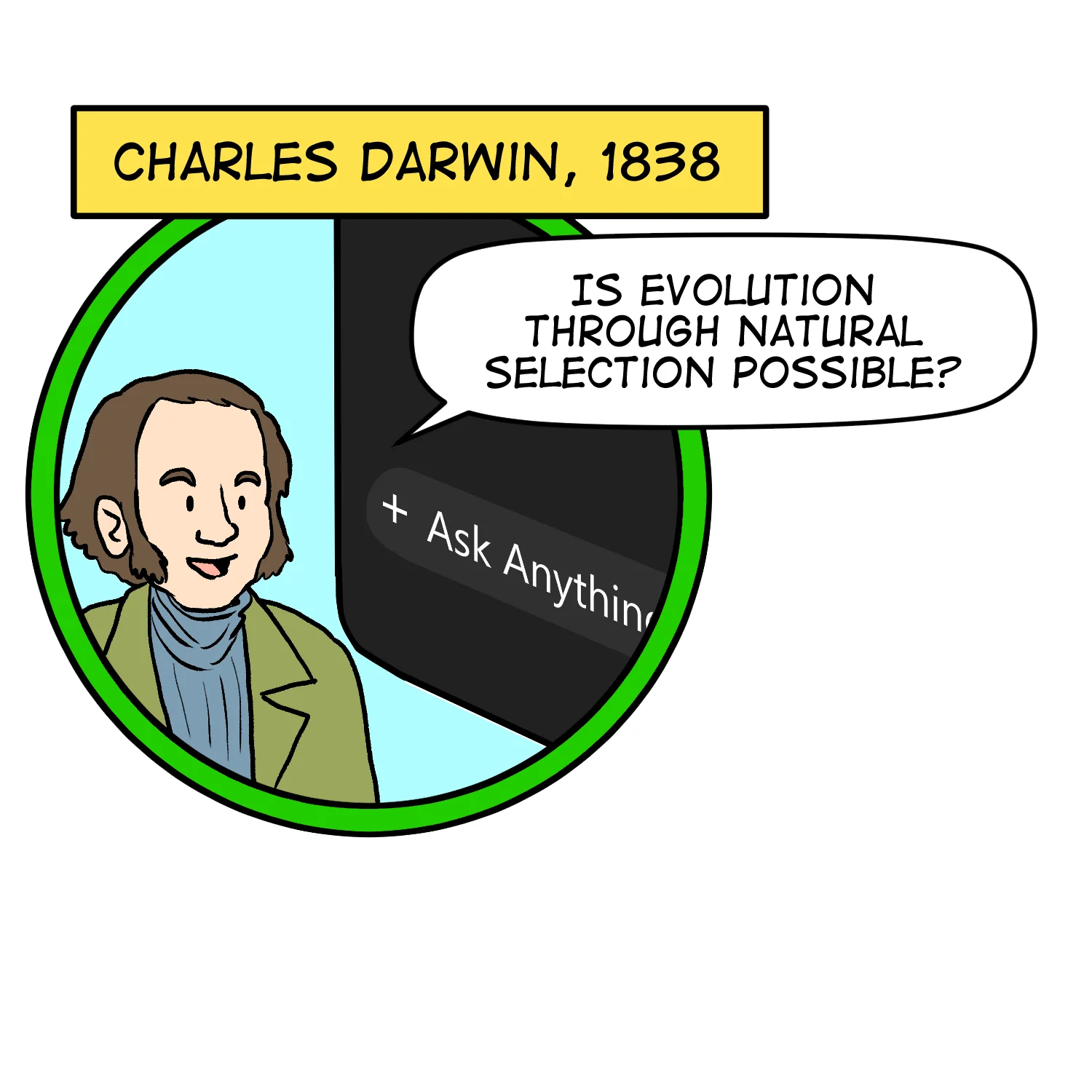
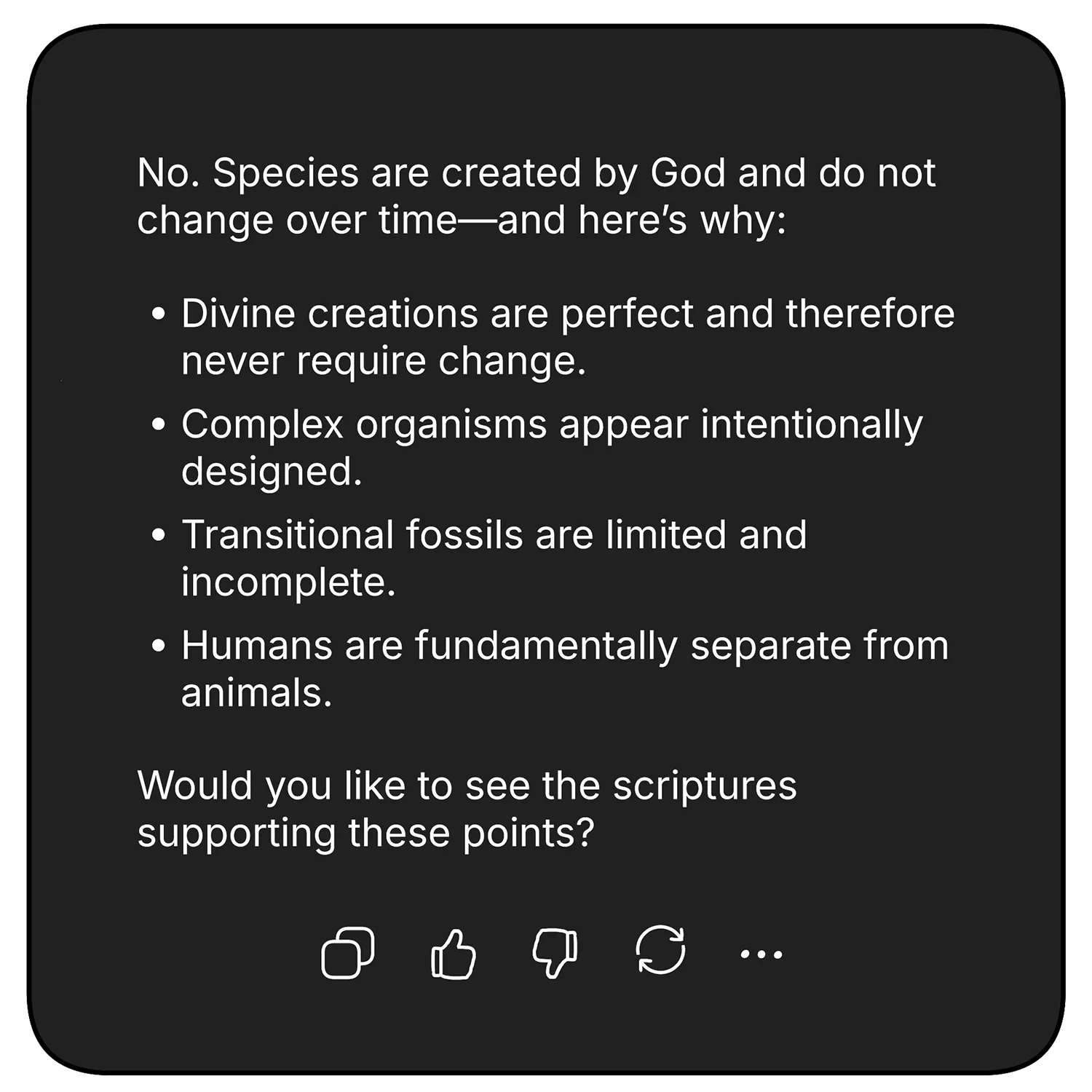
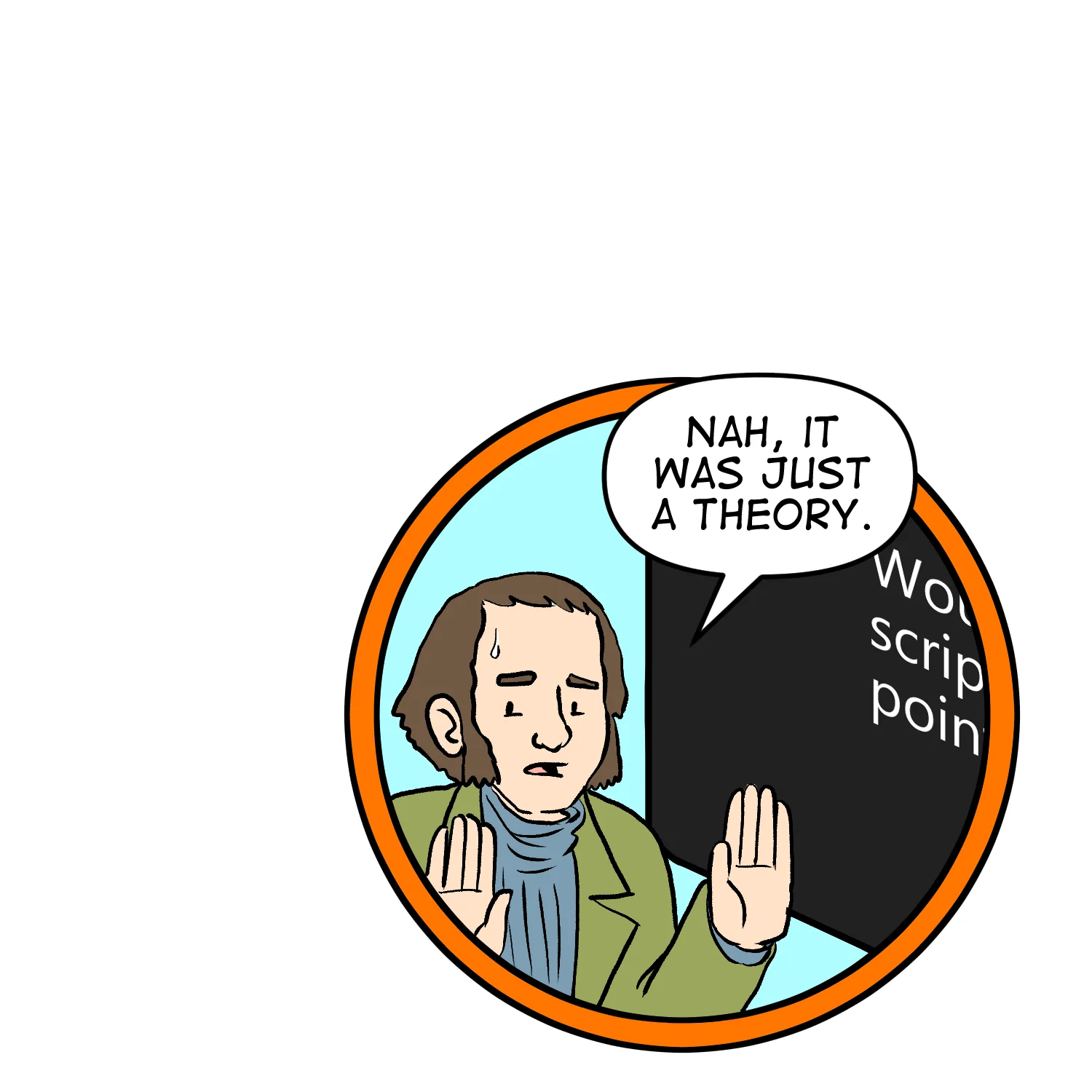
The idea is the same for all 5 great persons mentioned in the comic: could AI and its probability-based "answers" kill off daring innovations and paradigm-breaking ideas?
Actually, I think the problem exists before and besides AI, if we formulate the problem as having so much information that we have to rely on various algorithms and filters to stay afloat, and even so have to spread our attention so thin that we cannot afford to think deeply and originally.
Of course, AI would be a tempting option for Darwin's research. But it wouldn't be a problem if the question "what causes the variations and similarities I see in my data" occurs to Darwin first. We can imagine Darwin in that case going out to seek more data, instead of asking AI to verify or reject his hypothesis.
Scarcity of ideas in the age of LLM era is not due to LLMs. Personally, I have a hard time having new ideas and verifying them, mostly due to the fact that they come from representations of facts and ideas, not from practices and observations. Maybe I read an article and think: "the author's idea is interesting." Or more often: "the problem domain the article addresses looks interesting/promising. Maybe I can do something in it to earn some attention?"
In essence, the process of identifying questions and looking for data is substituted by devouring information and rationalizing impulses. This results in too many half-baked ideas and waste of energy.
The comic strip shows repression of ideas by distilled consensus. Even if we don't use AI, by uncritically devouring information, we are also letting algorithms and filters, which are in essence manufactured consensus on what is important, to direct and repress our thinking.
Using AI is forfeiting thinking, so is absentmindedly browsing the Web or social media feeds.
The hard and right thing to do, I think, is to identify questions from data (in its broader sense), formulate hypotheses and try to find answers in more data. To do so, we need to keep thinking, and direct our information consumption with questions, to keep it relevant.